
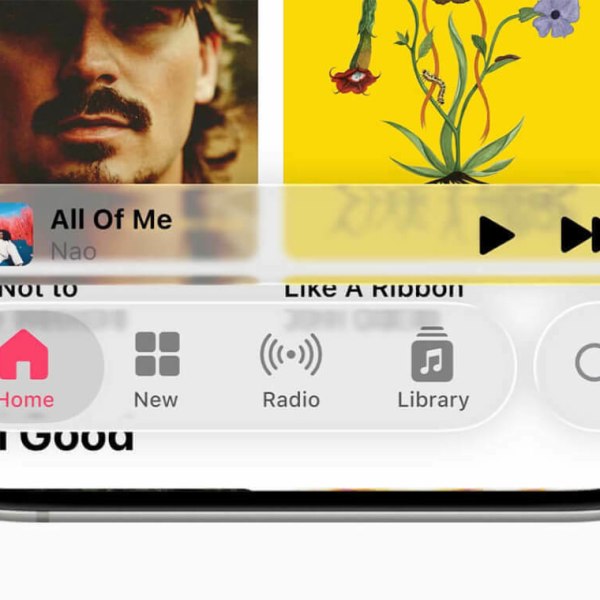
The digital landscape is evolving fast, and keeping your business at the forefront of customer connection requires more than just high-quality visuals. Here’s a look at four major design trends shaping 2026, and how leveraging these aesthetic and ethical priorities can create meaningful, memorable experiences for your audience.
The Tactile Revival
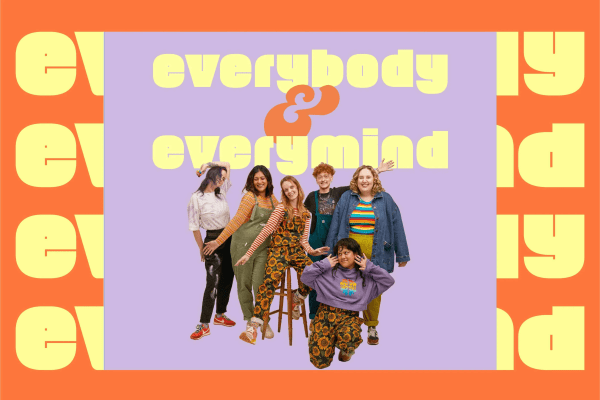
In 2026, the industry is witnessing a shift toward visuals that possess a human, crafted feel. This movement is a strategic response to highly polished AI-generated content, prioritising authenticity over perfection.
Brands are adopting illustration styles that appear sketchy, imperfect, and visibly by-hand. This preference for the handmade directly influences typographic systems. We are seeing a tendency for brands to pair their primary, authoritative typeface with a secondary, handwritten-like script used as an emotional accent.
The pursuit of imperfection extends to digital surfaces, with brands deliberately integrating analogue textures, such as film grain, light leaks, and digital noise. Similarly, photography leans toward unstaged, blurry, or candid imagery that mimics a raw camera roll snapshot. These flawed visuals signal originality and human intent. (Video by: Pavel Dergachev)
Unapologetic, hyper-chromatic visuals
Many brands are pivoting away from muted, cool palettes in favour of highly saturated, neon hues. This shift represents a direct response to the increasing homogeneity of the digital landscape, offering a powerful way to inject immediate personality and vibrancy into a brand's visual identity.
This heightened colour strategy is linked to the ongoing battle for consumer attention. With attention spans continuing to shorten, designers must prioritise maximum visual impact to capture and maintain a user's interest. Consequently, bright, high-contrast colours are frequently paired with unapologetically big, bold, and chunky typography.
Interfaces with dimension
Designers are transforming the digital canvas from flat screens into immersive, spatial interfaces.
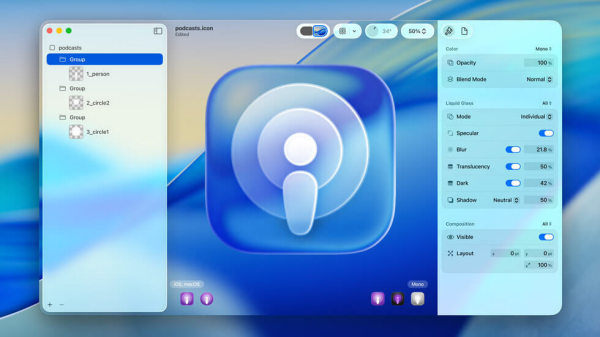
By extending digital experiences into a user's physical environment, brands can create interactions that feel more memorable, impactful, and emotionally resonant. The growing adoption of three-dimensionally rendered imagery and layered user interfaces is driving higher engagement, from high-fidelity 3D product visualisations to multi-plane UI systems. These approaches introduce a sense of tactility and depth, making digital experiences feel more human, immediate, and personal. Glassmorphism continues to play a key role in this evolution, adding visual depth and hierarchy without introducing unnecessary clutter.
AI-generated visuals
While many brands will strategically pivot towards aesthetics that signal authenticity, others will continue to embrace and refine the highly polished, realistic aesthetic achievable only through AI generation.
While AI-generated visuals are often criticised for lacking character, many companies trust AI's power to increase creative velocity. Generative tools instantly produce flawless visuals with near-endless possibilities, streamlining workflows and cutting costs.
However, the huge pitfall of relying on AI is the increasing risk of visual homogeneity. Brands must, therefore, be highly cautious, ensuring that their human art direction provides a distinctive and authentic core identity, allowing them to leverage AI's efficiency without sacrificing their unique visibility.

Companies must consciously make an effort to build meaningful experiences for users to remain visible. The future of design is not about choosing between the human and the machine, but about strategically leveraging the strengths of both to define a distinct and memorable identity.
Want to create an experience users will remember? Let’s talk! hello@thedigitalage.co.uk


